
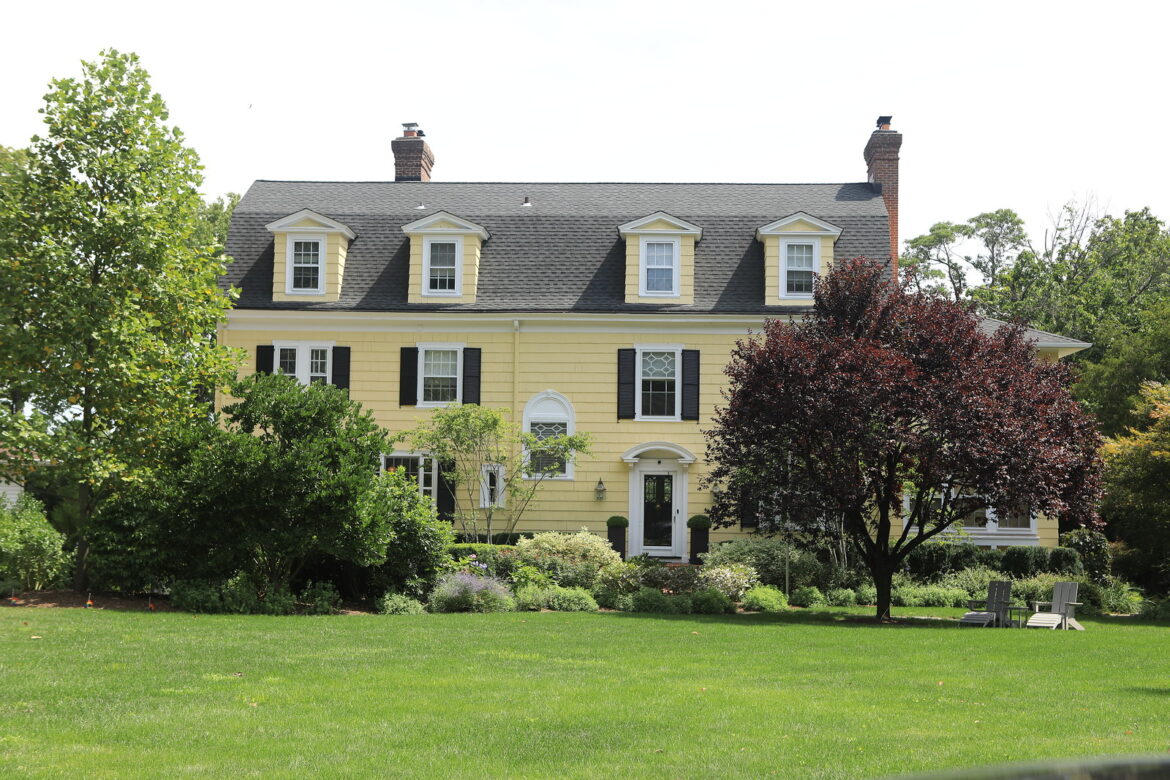
A roof in New Jersey has a tougher job than many homeowners realize. It has to handle humid summers, freeze-thaw winters, coastal-style storm systems that push inland, sudden wind events, heavy rain, snow load, ice dams, and, in many neighborhoods, the quirks of older construction. In Essex County and across Northern New Jersey, residential roofing isn’t just about putting shingles on a house. It’s about matching the roofing system to the structure, the weather, and the weak points that tend to show up on homes with chimneys, dormers, flat sections, and aging ventilation.
Learn more: Gikas Roofing New Jersey
We’ve seen how quickly a “small roof issue” can turn into stained ceilings, rotted decking, mold in the attic, or interior damage that costs far more than the original repair would have. That’s why smart roofing decisions start before materials are ordered. They start with a real inspection, a clear plan, and an honest assessment of whether repair is enough or replacement makes better long-term sense.
In this guide, we’ll walk through what makes residential roofing in NJ different, the most common roofing systems used on local homes, the warning signs to watch for, and what to expect when it’s time to hire a contractor. If you own an older home, have a complicated roofline, or just want to avoid expensive surprises, this is the practical overview you need.
What Makes Residential Roofing In New Jersey Unique
Residential roofing in NJ sits at the intersection of climate stress, older housing stock, and architectural variety. That combination changes everything, from material choice to flashing details to how aggressively we recommend ventilation and drainage improvements.
New Jersey homes often face four true seasons, and roofs feel every one of them. Summer heat can age shingles faster than people expect, especially on darker roofs with poor attic airflow. Winter creates a different problem: freeze-thaw cycles. Water finds a tiny entry point, freezes, expands, and turns a minor weakness into a leak path. Add wind-driven rain and occasional snow accumulation, and the margin for error gets very small.
Then there’s the age of the homes. In places like Essex County, Montclair, Bloomfield, Verona, Maplewood, and surrounding areas, many houses weren’t built with today’s underlayments, ventilation standards, or ice-and-water protection. We often find layered roofing, aging plywood or plank decking, outdated flashing, and repairs done in stages over decades.
And unlike simple ranch homes with one straightforward slope, many Northern New Jersey properties have intersecting roof planes, dormers, valleys, skylights, porches, low-slope sections, and masonry chimneys. Those details create beauty, but they also create risk. Good residential roofing in NJ requires careful diagnosis, not one-size-fits-all pricing.
How NJ Weather, Older Homes, And Complex Rooflines Affect Roofing Decisions
When we evaluate a roof in New Jersey, we’re rarely looking at shingles alone. We’re looking at water movement, thermal movement, ventilation balance, and detail work around penetrations and transitions.
Older homes tend to have more vulnerable connection points. A chimney may have deteriorated mortar and aging step flashing. A dormer may have trim that channels water in ways the original builder didn’t fully account for. A low-slope rear addition may hold water longer than the main roof sheds it. That’s why two homes with the same square footage can require very different roofing scopes.
Weather also affects material strategy. In exposed areas, higher-wind shingles or upgraded fastening patterns may be worthwhile. On roofs with recurring ice dam history, better attic insulation and ventilation may matter as much as the surface material. On low-slope sections, a shingle-only approach may simply be the wrong solution.
The practical takeaway is simple: residential roofing in NJ works best when the system is tailored to the house. Not just the visible roof, but the whole assembly underneath it.
The Most Common Types Of Residential Roofing Systems In NJ
Most New Jersey homes don’t need exotic roofing materials, but they do need the right system for the roof shape and exposure level. The best choice depends on slope, budget, expected lifespan, neighborhood style, and how many problem areas the roof has.
Read more: Hasbrouck Heights Roofing Roofer
Asphalt shingles remain the most common residential roofing option in NJ because they balance affordability, appearance, repairability, and performance. Architectural shingles, in particular, are popular for their thicker profile and generally better wind resistance than older 3-tab products.
But many homes in Northern New Jersey aren’t one-material roofs. A house may have a steep shingle main roof, a low-slope porch roof, and a garage section with different drainage needs. In those cases, combining systems is often the right move.
Metal roofing has also become more attractive for homeowners who want longevity and strong shedding performance. Meanwhile, premium materials such as slate-look systems, cedar alternatives, or true slate still appear on older or architecturally distinctive homes.
The key is compatibility. Materials need to work with the slope, the structure, and the surrounding details, not just look good from the street.
Asphalt Shingles, Flat Roof Sections, Metal, And Specialty Materials
Asphalt shingles are the default choice for many homeowners because they’re cost-effective and available in many colors and profiles. A quality shingle roof installed with proper underlayment, flashing, ventilation, and ice-and-water protection can perform very well in New Jersey. That said, installation quality matters more than brochure promises.
Flat or low-slope roof sections are common on porches, additions, bay windows, and multifamily sections. These areas typically need membrane systems rather than standard shingles. If water drains slowly or ponds, the wrong material can fail early.
Metal roofing offers long life, clean appearance, and strong resistance to shedding snow and rain. It can be a great fit for certain homes, though upfront cost is usually higher. Correct trim and flashing work are essential, especially where metal meets masonry or siding.
Specialty materials include slate, synthetic slate, cedar, and designer roofing products. These can be excellent choices on historic or high-character homes, but they demand skilled installation and, in some cases, structural consideration due to weight.
In short, the “best” residential roofing system in NJ is the one that fits the house technically, not just aesthetically.
Signs Your Roof Needs Repair Or Full Replacement
Some roofing problems announce themselves with a ceiling stain. Others stay quiet until the decking is soft and the repair bill gets ugly. Knowing the difference between normal aging and active failure helps homeowners act before damage spreads.
Start outside, if it’s safe to observe from the ground. Missing shingles, lifted tabs, scattered granules in gutters, exposed nail heads, damaged flashing, and sagging roof lines all deserve attention. If shingles are curling, cracking, or losing large amounts of granules, the roof may be nearing the end of its useful life.
Read more: Ho-Ho-Kus Roofing Roofer
Inside the house, common warning signs include attic moisture, moldy smells, wet insulation, peeling paint near roof edges, and water spots around chimneys or vent penetrations. Sometimes the leak you see isn’t directly below the roof defect, water travels.
Age matters too. If a roof is approaching 20 to 30 years old, depending on material and installation quality, repairs may become less cost-effective. A patch can solve one leak, but not widespread brittleness, failing valleys, or systemic flashing problems.
Storm history is another clue. After strong wind or hail, even roofs that “look okay” from the yard can have creased shingles, loosened ridge caps, punctures, or damaged seal strips. That’s especially true on older roofs.
Generally, isolated damage on an otherwise healthy roof points toward repair. Broad wear, repeated leaks, soft decking, or multiple failing components often point toward replacement. The only responsible way to know is with a full inspection, not a guess based on one photo.
What A Thorough Roof Inspection Should Include Before Any Work Begins
A real roof inspection should do more than confirm there’s a leak. It should explain why the leak happened, where else the system is vulnerable, and whether the proposed fix solves the root cause.
Before any residential roofing project in NJ begins, we believe the inspection should include exterior and interior review whenever possible. Outside, that means evaluating shingles or membrane condition, flashing integrity, valleys, ridge areas, pipe boots, gutters, drainage paths, exposed fasteners, and signs of storm damage. It also means checking transitions between steep-slope and low-slope sections, because those are frequent failure points.
Inside, the attic often tells the truth. We look for moisture staining, mold growth, compressed or wet insulation, inadequate intake or exhaust ventilation, and evidence of condensation. A roof can fail from below as much as from above.
The decking condition is also critical. If there are soft spots, sagging, or signs of long-term intrusion, surface materials alone won’t fix the problem. And on older homes, we need to account for structural quirks, past overlays, and code-related upgrades that may be required during replacement.
A thorough inspection should end with a written scope, not vague assurances. Homeowners deserve to know what was found, what is urgent, what is optional, and what the plan is if hidden damage appears once work starts. That kind of transparency is part of what separates a careful contractor from a fast-sales operation.
For homeowners comparing companies, this matters a lot. A contractor offering detailed pre-project inspections, staged planning, and written guaranteed results, like the approach emphasized by Gikas Roofing, is usually showing you how they work before the first shingle is ever removed.
How To Decide Between Roof Repair And Roof Replacement
This is the question almost every homeowner asks first: can we repair it, or do we need to replace it?
Read more: Little Falls Roofing Roofer
The honest answer depends on cost efficiency, remaining roof life, extent of damage, and how likely the same area is to fail again. A repair makes sense when the problem is localized and the surrounding roof is still in solid condition. Think a limited flashing issue, a few wind-damaged shingles, or a small section affected by a fallen branch.
Replacement becomes the smarter choice when defects are widespread or layered. If the roof is old, brittle, patched repeatedly, and showing issues in valleys, penetrations, and decking, repair can turn into throwing good money after bad. We’ve seen homeowners pay for multiple small fixes over two years, only to replace the whole roof anyway.
There’s also the matching problem. New shingles don’t always blend with old ones, and older products may be discontinued. On highly visible roof planes, patchwork can affect curb appeal. More importantly, some roofs have underlying ventilation or underlayment issues that spot repairs won’t resolve.
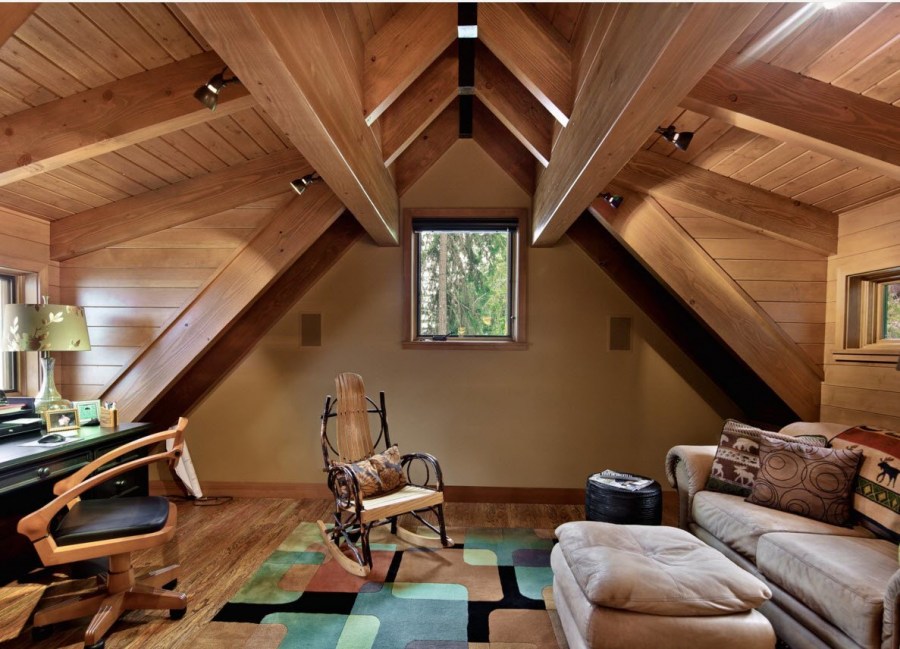
A useful way to think about it is this: repair addresses an event: replacement addresses a condition. If your roof’s overall condition is failing, replacement is usually the better investment.
For New Jersey homes with older construction and complicated rooflines, this decision should be based on inspection findings, not just age or budget alone. The cheapest option today isn’t always the least expensive over the next five to ten years.
Roofing Challenges Common In Essex County And Northern New Jersey Homes
Essex County homes are full of character. They’re also full of roofing details that demand precision. Many houses in this region were built decades ago, expanded over time, and modified by multiple contractors. That history shows up in the roof.
We regularly see homes with original steep-slope sections tied into newer additions, porch roofs draining into tight gutter lines, aging chimneys cutting through key water-shedding areas, and ventilation setups that no longer match the attic layout. Add mature trees, shaded roof planes, and storm exposure, and the maintenance demands increase fast.
Northern New Jersey also has many neighborhoods where roofs are visually prominent. Homeowners aren’t just balancing performance: they’re balancing architectural fit. A solution that works on paper still has to look right on a colonial, Tudor, cape, or Victorian-influenced home.
Another local issue is deferred maintenance. A small flashing gap around a chimney may have been “temporarily” sealed years ago. Gutters may have been cleaned irregularly. Flat sections over additions may have outlived the main roof material. By the time the leak becomes visible indoors, the roof often has more than one active problem.
That’s why residential roofing in NJ, especially in Essex County, requires local experience. The contractor needs to recognize recurring regional issues and understand how older homes behave under weather stress.
Chimneys, Flashing, Gutters, Ventilation, And Storm-Prone Problem Areas
Chimneys are one of the biggest leak sources on older homes. The problem may be failing step flashing, cracked counterflashing, deteriorated mortar, or all three at once. Water around chimneys is rarely solved well with surface caulk alone.
Flashing at valleys, walls, dormers, skylights, and penetrations is often where craftsmanship shows. A roof can have premium shingles and still leak if the flashing details are weak.
Gutters and drainage matter more than many people think. Clogged or undersized gutters can force water backward under roof edges, especially during heavy rain. Poor downspout discharge can also affect siding, trim, and foundation areas.
Ventilation is another hidden issue. Too little intake or exhaust can trap heat and moisture, shortening roof life and increasing the risk of condensation and ice dams.
And then there are storm-prone areas: ridge caps, eaves, rakes, exposed corners, and tree-adjacent sections. These are the first places we inspect after high winds. On complex roofs, one weak transition can create a chain reaction.
Read more: Little Ferry Roofing Roofer
What To Expect During A Residential Roofing Project
A roofing project feels much less stressful when homeowners know what’s coming. The best projects are organized, communicated clearly, and designed to protect both the house and the property around it.
Most residential roofing jobs begin with material delivery, staging, and site preparation. Dump trailers or containers may be placed strategically, and crews should protect landscaping, siding, windows, decks, and driveway areas as needed. On older or tighter Northern New Jersey lots, staging matters a lot because access can be limited.
Once tear-off begins, the crew removes existing roofing materials and inspects the exposed decking. This is the moment hidden issues become visible. If damaged sheathing, rotted fascia, or failed flashing is uncovered, the contractor should document it and explain the next step, not spring surprise charges without context.
After repairs to the substrate, the new system is installed: underlayment, ice-and-water protection where required, flashing components, ventilation details, and finish roofing materials. Cleanup should happen throughout the job, not only at the end.
Weather can affect timing, of course. New Jersey projects sometimes need short scheduling adjustments due to rain or wind. That’s normal. What matters is communication and quality control.
Project Timeline, Property Protection, Staging, And Cleanup
For an average home, a straightforward roof replacement may take one to three days, though larger homes, complex rooflines, specialty materials, or weather delays can extend the timeline. Repairs may be much shorter, but diagnostic work can still take time if the leak source is elusive.
Property protection should include tarps, magnetic nail sweeps, debris management, and care around plantings, walkways, HVAC units, and outdoor furniture. If a contractor seems casual about cleanup before the project starts, that’s not a great sign.
Staging is especially important on Essex County properties with limited driveway space, shared access, garages off alleys, or mature landscaping. Good contractors plan where materials go, how debris is removed, and how residents can safely move in and out during the project.
Cleanup should be thorough and final. That includes nails, shingle scraps, packaging, and gutter debris. We always recommend a final walkthrough so the homeowner understands what was completed, what hidden repairs were necessary, and how to monitor the roof going forward.
How To Choose A Residential Roofing Contractor In NJ
Choosing a roofer isn’t just about price. It’s about whether the company can diagnose correctly, communicate clearly, protect your property, and stand behind the work when New Jersey weather tests it six months later.
Start with experience that matches your home type. A contractor who mainly handles simple suburban roof layouts may not be the best fit for an older Essex County house with chimneys, valleys, low-slope sections, and ventilation problems. Ask how often they work on homes like yours.
Look closely at how they inspect, not just what they sell. Do they check the attic? Do they document flashing and decking concerns? Do they provide a written scope? If not, comparisons between bids become almost meaningless because the contractors may be proposing very different jobs.
Read more: Lyndhurst Roofing Roofer
Reputation matters, but specifics matter more. Online reviews are useful, though we’d pay extra attention to comments about communication, cleanup, reliability, and whether the final work matched the proposal. It’s also smart to ask who will supervise the project and how change orders are handled.
For homeowners in Northern New Jersey, local familiarity is a real advantage. Roofers who understand regional weather, municipal expectations, older housing stock, and staging constraints are often better prepared to avoid preventable issues.
Warranties, Written Proposals, Certifications, And Insurance Questions To Ask
Ask for a written proposal that clearly outlines materials, scope of tear-off, underlayment, flashing work, ventilation changes, decking allowances, cleanup, and warranty terms. A one-page estimate with almost no detail can hide a lot.
Discuss warranties in plain language. There’s usually a manufacturer material warranty and a contractor workmanship warranty, and they are not the same thing. Homeowners should know what each one covers, what can void coverage, and who to call if there’s a problem.
Certifications can be helpful when they reflect manufacturer training or vetted installation standards, though they shouldn’t replace common sense. Certification is a positive signal, not a free pass.
And yes, ask about insurance. A New Jersey roofing contractor should be able to provide proof of liability coverage and relevant worker protections. If they hesitate, move on.
Finally, ask practical questions: Who handles permits if needed? What happens if rotten decking is found? How is the property protected? What is the payment schedule? The right contractor won’t dodge those questions, they’ll answer them comfortably, because this is what a professional process looks like.
Key Takeaways
- Residential roofing in NJ requires customized solutions due to the state’s challenging climate, older homes, and complex rooflines.
- Asphalt shingles are the most common roofing material, but combining systems like metal and membrane roofs often fits NJ homes better.
- A thorough inspection assessing exterior, attic, and decking condition is essential before deciding on repair or replacement.
- Signs of roofing issues include missing shingles, interior moisture, and storm damage, with replacement preferred for widespread or recurring problems.
- Experienced local contractors who provide detailed inspections, written scopes, clear communication, and strong warranties deliver better roofing outcomes.
- Proper staging, property protection, and cleanup are critical during a roofing project to protect the home and ensure homeowner satisfaction.
Residential Roofing in NJ: Frequently Asked Questions
What makes residential roofing in New Jersey different from other regions?
Residential roofing in NJ faces challenges like humid summers, freeze-thaw winters, coastal storms, and older home construction. These factors demand tailored roofing systems that address complex rooflines, ventilation, and drainage unique to the region’s climate and housing stock.
What are the most common roofing materials used for homes in Northern New Jersey?
Asphalt shingles are the most common due to affordability and performance, especially architectural shingles. However, many homes use a combination of systems including metal roofing on certain sections, flat roof membranes for low-slope areas, and specialty materials like slate or synthetic cedar for historic homes.
How can a homeowner tell if their roof needs repair or full replacement?
Signs include missing or curling shingles, granules in gutters, damaged flashing, interior water stains, attic moisture, and age over 20 to 30 years. Localized damage may be repaired, but widespread issues, repeated leaks, or soft decking usually mean replacement is a better long-term investment.
Why is a thorough roof inspection important before starting residential roofing work in NJ?
A detailed inspection evaluates exterior shingles, flashing, valleys, and interior attic conditions like moisture and ventilation. It uncovers root causes of leaks, decking condition, and structural quirks, ensuring repairs or replacements address all vulnerabilities, avoiding costly surprises later.
How does New Jersey weather affect roofing decisions for homeowners?
NJ weather requires roofing systems that withstand heat aging shingles, freeze-thaw cycles causing leaks, wind-driven rain, snow loads, and ice dams. Proper ventilation, drainage, and material choices based on exposure and roof complexity are critical to ensure lasting performance.
What should homeowners consider when choosing a residential roofing contractor in New Jersey?
Select contractors with experience in older and complex NJ homes, thorough inspection processes including attic checks, clear communication, detailed written proposals, proper certifications, and insurance. Local familiarity, reputation for cleanup, and warranty clarity are essential for a successful roofing project.
Read More:
- realbomb.gr
- Santorini Guided Tours: How To Choose The Perfect Island Experience
- Native Advertising: Ο Απόλυτος Οδηγός για Πετυχημένες Καμπάνιες σήμερα
- Επίσημες και Επικυρωμένες Μεταφράσεις στην Ελλάδα: Ο Απόλυτος Οδηγός για σήμερα
- Trending News στην Ελλάδα: Οι Κυρίαρχες Τάσεις του σήμερα και η Επιρροή τους στην Αγορά
- Καθημερινή Ενημέρωση Σήμερα: Πώς Να Μένεις Έγκυρα, Γρήγορα Και Χωρίς Παραπληροφόρηση